Grizzly Man
Overall Rating: ★★★★½
Pop Culture Footprint: A landmark documentary; Herzog’s narration and Treadwell’s footage remain iconic touchstones in nonfiction filmmaking
Rewatchability: 3/5 — unsettling and heavy, but layered enough to reward repeat viewings
Makes You Think: Absolutely; asks profound questions about obsession, mortality and our relationship with nature
Conversation Starter: Yes — sparks debate on the line between devotion and delusion
Holds Up: Completely; still as haunting and relevant as when it premiered
Where I’d Place It: Perfect spot
★★★★ 1/2
#98 – Grizzly Man (2005)
From The New York Times: The 100 Best Movies of the 21st Century
Directed by Werner Herzog
Werner Herzog’s Grizzly Man is one of those documentaries that lingers in your mind long after the credits roll—not simply because of the tragedy at its center, but because of the strange and powerful way it reframes what we think we know about nature, obsession and mortality. Watching it again for the first time since its release, I found myself captivated not only by Timothy Treadwell’s story but also by Herzog’s unmistakable perspective guiding us through it.
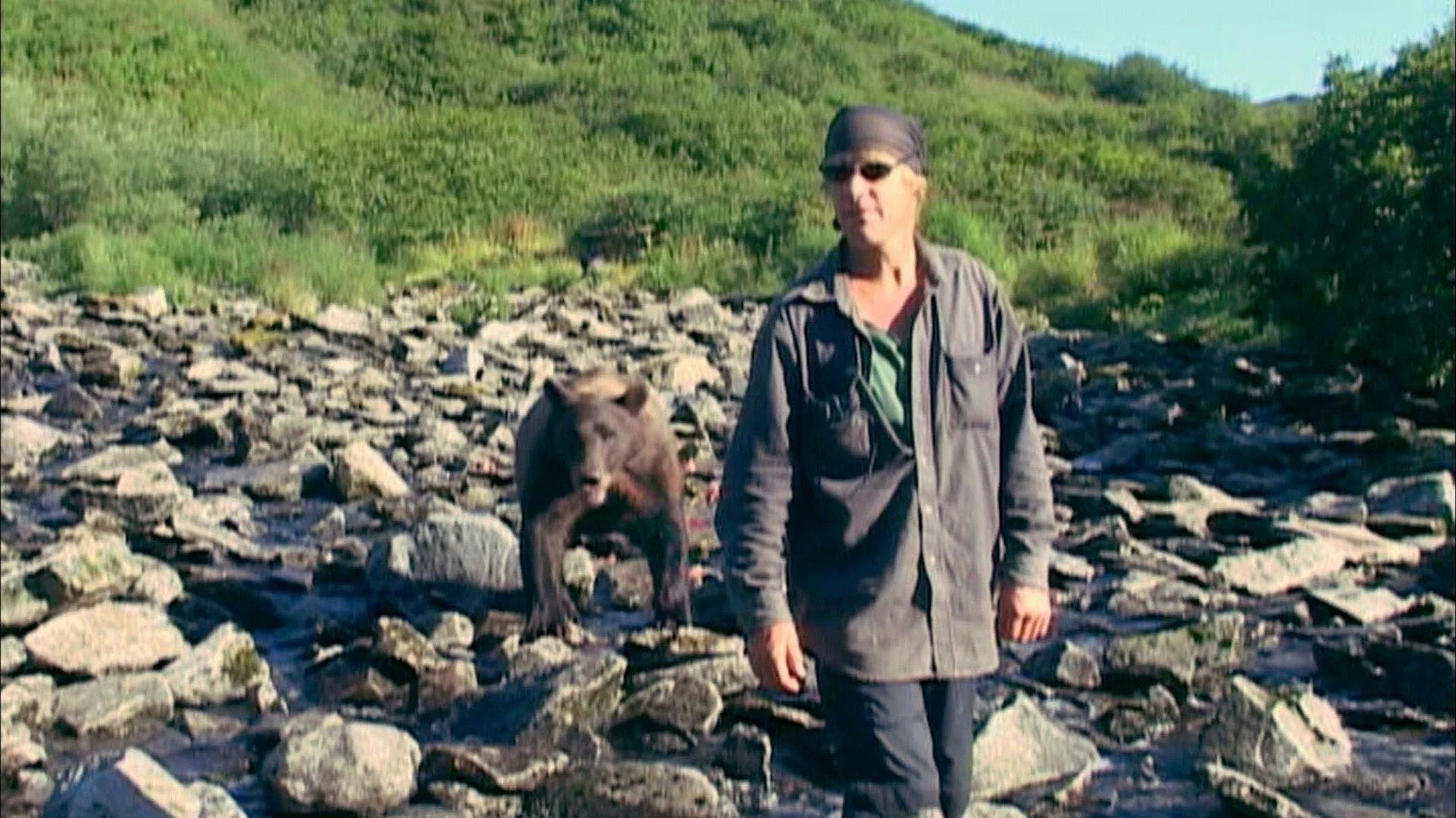
The film chronicles the life and death of Timothy Treadwell, a self-styled protector of Alaskan grizzly bears who spent more than a decade living among them each summer. Treadwell documented his encounters with the animals in hundreds of hours of self-shot footage, portraying himself as both guardian and companion to the creatures he adored. That devotion, however, ended in his death when he and his girlfriend, Amie Huguenard, were killed by a bear in 2003. Herzog assembles Treadwell’s footage with interviews and his own narration, weaving a portrait that is part character study, part philosophical essay and part cautionary tale.
What struck me most on this viewing was how much of the film’s power lies in Treadwell’s footage itself. He is by turns charismatic, childlike, manic and heartbreakingly sincere. Without Herzog, the tapes might have simply been a tragic curiosity; with him, they become a meditation on man’s yearning to connect with the wild. Herzog is fascinated not just with Treadwell’s life but with the way his camera became an extension of his psyche. I loved how the documentary allowed Treadwell’s voice and presence to dominate while still layering in Herzog’s reflections—his clipped, deliberate narration elevating the material into something almost mythic.
In the end, Grizzly Man is less about bears than it is about the fragile boundary between humanity and nature, between passion and delusion. It asks uncomfortable questions: What drives someone to dedicate their life to a cause so perilous? What does it mean to respect the natural world without trying to tame it? And, perhaps most hauntingly, how do we measure the value of a life so consumed by obsession? Herzog doesn’t provide neat answers, but the film resonates precisely because of that ambiguity. Nearly twenty years on, it remains one of the most thought-provoking documentaries I’ve seen—an elegy, a character study and a mirror to our own complicated relationship with the wild.