Mr. Scorsese
★★★★★
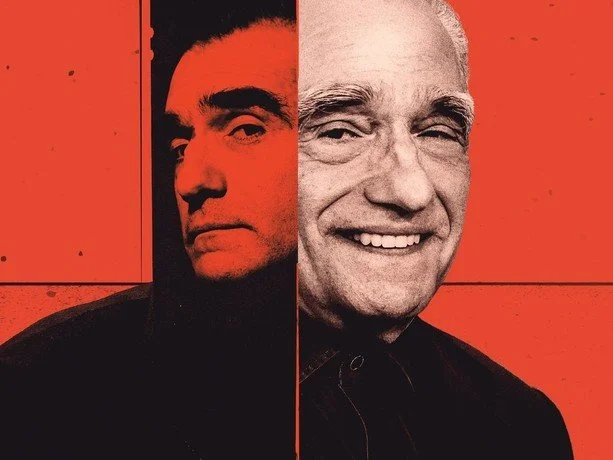
Mr. Scorsese isn’t just a documentary. It’s catnip for cinephiles. For anyone who reveres Martin Scorsese, this five-part Apple TV series feels like a masterclass, memoir and film school elective all rolled into one.
What I loved most is how it doesn’t simply march through a career timeline but tries to mirror Scorsese’s restless artistic evolution. Through present-day interviews, archival footage and generous excerpts from the films themselves, the documentary shows how each project seemed to emerge from a different emotional or spiritual place in his life. That was a revelation to me. We often talk about Scorsese’s recurring themes—guilt, violence, redemption, obsession—but this series helps you see how deeply personal those fixations are.
And what a lineup of voices. Hearing reflections from Steven Spielberg, Leonardo DiCaprio and Robert De Niro, alongside close collaborators and friends, gives the portrait real weight. It’s not hagiography so much as a mosaic of admiration, insight and occasional contradiction.
One of the pleasures of the series is how it rekindles, or sparks, curiosity about corners of his filmography that may have slipped under the radar. I found myself wanting to revisit everything and seek out titles I’ve somehow missed. How had I never heard of Kundun before?
I also appreciated that the series doesn’t sand down his rough edges. Its exploration of Scorsese’s personal low points, including the anger and inner turbulence colleagues reference, adds dimension to the genial public persona many of us know from interviews, documentaries and even his playful acting appearances. It makes the films’ emotional volatility feel even more connected to the man.
If I have a complaint, it’s the best kind: I wanted more. With a filmmaker this rich, every movie could warrant its own episode. The brief treatment of Killers of the Flower Moon especially left me wanting a deeper excavation.
But maybe that’s the highest compliment. Mr. Scorsese left me with the same feeling the best criticism does: an immediate urge to go watch more movies.