Sorry, Baby
★★★ 1/2
Sorry, Baby is one of those movies that feels less like it was made and more like it was lived.
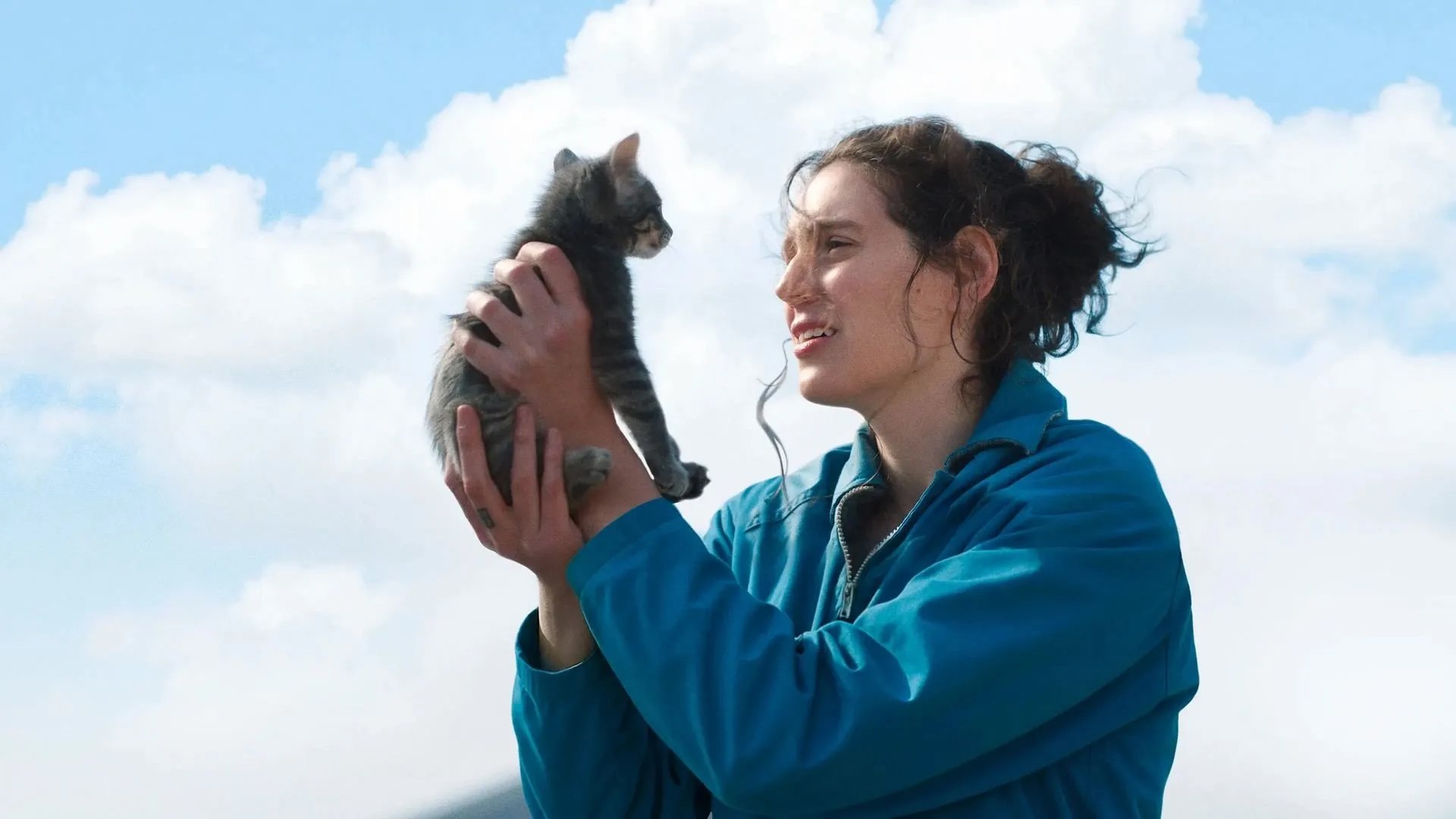
Written, directed by, and starring Eva Victor, this is a deeply personal feature debut that follows Agnes, a woman navigating life in the long shadow of a traumatic event. The film unfolds in fragments, dropping us into different stages of Agnes’ life and emotional state, never announcing what she’s been through, but trusting the audience to feel it.
And you do.
What struck me most about Agnes as a character is that she isn’t defined solely by her trauma. Yes, it’s there—always there—but she still has to do life. She goes to work. She jokes. She feels joy, irritation, attraction, boredom. She exists. Victor smartly avoids turning Agnes into a “woe is me” character. She’s strong, guarded, occasionally funny, sometimes prickly and very human.
That balance is where Sorry, Baby quietly excels. The film understands how trauma doesn’t live in loud, dramatic moments, but in the unexpected triggers: a jury duty summons, an offhand revelation, a moment you never see coming. Victor captures how even the smallest thing can send shockwaves back through a person’s nervous system, long after the world assumes they’ve “moved on.”
This is a somber, patient and deliberately paced film. It’s methodical in a way that asks you to meet it halfway. Fair warning: starting this when you’re already half-asleep is probably not ideal. This movie wants your full attention and your emotional availability.
I’ll also be upfront: I didn’t respond to this as deeply as I suspect many viewers will. That’s not a knock on the film; it’s an acknowledgment of perspective. As a white male who thankfully doesn’t have to navigate the kind of constant threat and predatory behavior many women do, I can recognize that there are layers here that hit closer to home for others. That distance doesn’t diminish the filmmaking—it actually highlights how clearly and honestly Victor tells this story.
Sorry, Baby doesn’t offer solutions. It doesn’t tie trauma up with a neat bow. What it does offer is something quieter and, in many ways, braver: the idea that life continues. That resilience isn’t performative. That survival doesn’t always look triumphant. And that even when what happened is not okay, the person who lived through it can still find a way forward.
By the end, you don’t feel like Agnes has been “fixed.” You just know she’s going to be okay. And somehow, that’s more powerful.