Hamnet
★★★★
Hamnet is an emotional ride, especially if you’re a parent. I knew the film carried a heavy premise, but I wasn’t quite prepared for just how deeply it would hit. This is the kind of movie that quietly sneaks up on you and leaves you sitting with your feelings long after the credits roll.
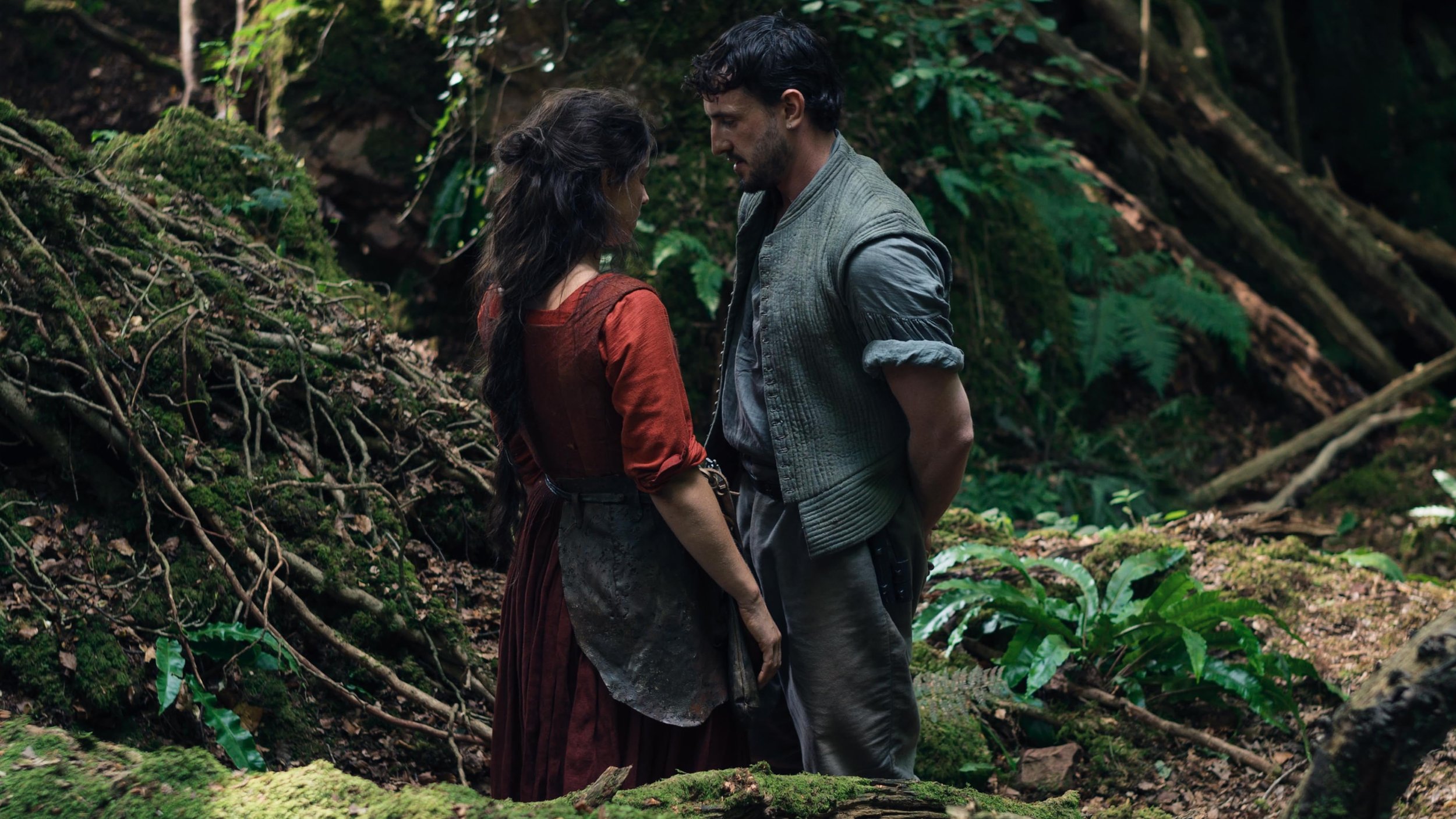
The film tells the story of Will (Paul Mescal) and his wife Agnes (Jessie Buckley), exploring how a devastating family tragedy would ultimately inspire one of Shakespeare’s most famous works. Directed by Chloé Zhao, whose Nomadland I admired quite a bit, the film carries her signature style: quiet, patient and deeply observational. That approach works beautifully for much of the film, though at times it may feel a bit too quiet and deliberate.
What Zhao captures wonderfully is the texture of family life in 1500s England. The film feels lived-in and intimate, almost like we’re observing small, fragile moments in a household that history rarely slows down to examine.
Buckley is the emotional center of the film, and she is absolutely extraordinary here. I’ve seen her in several roles before, but this performance stands out. She portrays motherhood with such raw vulnerability — a woman holding together a family while navigating grief, confusion and a husband whose artistic pursuits often pull him away from home. It’s a layered performance that carries much of the film’s emotional weight.
I was also surprised by how powerful Mescal is in this role. While I was familiar with his name, I hadn’t seen much of his work before this. Watching him here, it becomes clear why many felt he was overlooked during awards season. His Shakespeare is both strong and fragile; a man trying to reconcile the demands of art with the responsibilities of family life.
At its core, Hamnet is a meditation on the relationship between grief and art. Many films celebrate art as something joyful and inspiring. This film explores the other side of that coin — how creativity can also be a way of processing pain. The final stretch of the film beautifully brings this idea full circle, showing how storytelling and performance can connect us to shared human experiences and offer a kind of emotional therapy.
But Hamnet does demand patience. The film spans several years in the lives of this family, often presenting events in fragments rather than fully spelled-out sequences. At times I found myself wishing for a bit more context or connective tissue between these moments. The film trusts the audience to fill in those gaps, which can be rewarding, but occasionally leaves you longing for more clarity.
There’s also a devastating illness sequence that is incredibly difficult to watch. It’s powerful filmmaking, but emotionally taxing. I did find myself wishing the film had spent just a little more time developing the children themselves. Much of the emotional impact relies on the audience bringing their own experiences — especially as parents — rather than fully building those relationships on screen.
Even so, Hamnet remains a beautiful, contemplative film. It’s a portrait of grief, love and the mysterious ways art can grow out of the most painful parts of life.
It’s not necessarily a film I’d rush to revisit. The emotional weight alone makes it a tough sit, but it’s one that works almost like an acting masterclass. Watching Buckley and Mescal navigate the full range of human emotion is remarkable.
Just don’t go into Hamnet expecting a traditional Shakespeare story. While the legacy of Hamlet hangs over the film, this isn’t really a movie about Shakespeare or his play. It’s about the life and grief that may have inspired it. And if you’re willing to sit with that quiet, aching story, Hamnet is a deeply moving experience.