Hoppers
★★★★
Pixar is back, baby.
Okay, okay, let’s be fair. Pixar never actually went away. The studio has produced solid films over the past few years. But while some recent releases may have been a bit under-appreciated, they also didn’t quite feel like the bold, must-see animated events we’ve come to expect. Enter Hoppers, a delightfully bizarre, wildly creative swing that proves Pixar still has plenty of magic left in the tank.
And make no mistake, this one is different.
From the moment the film kicks into gear, I was completely locked in. Eyes glued to the screen. Curious, excited and honestly, a little stunned at just how weird and unpredictable the story becomes. This isn’t your traditional Pixar emotional tearjerker (though it definitely has heart). Instead, it’s a fast-moving, darkly funny, high-concept adventure that isn’t afraid to get strange — and I mean that as a huge compliment.
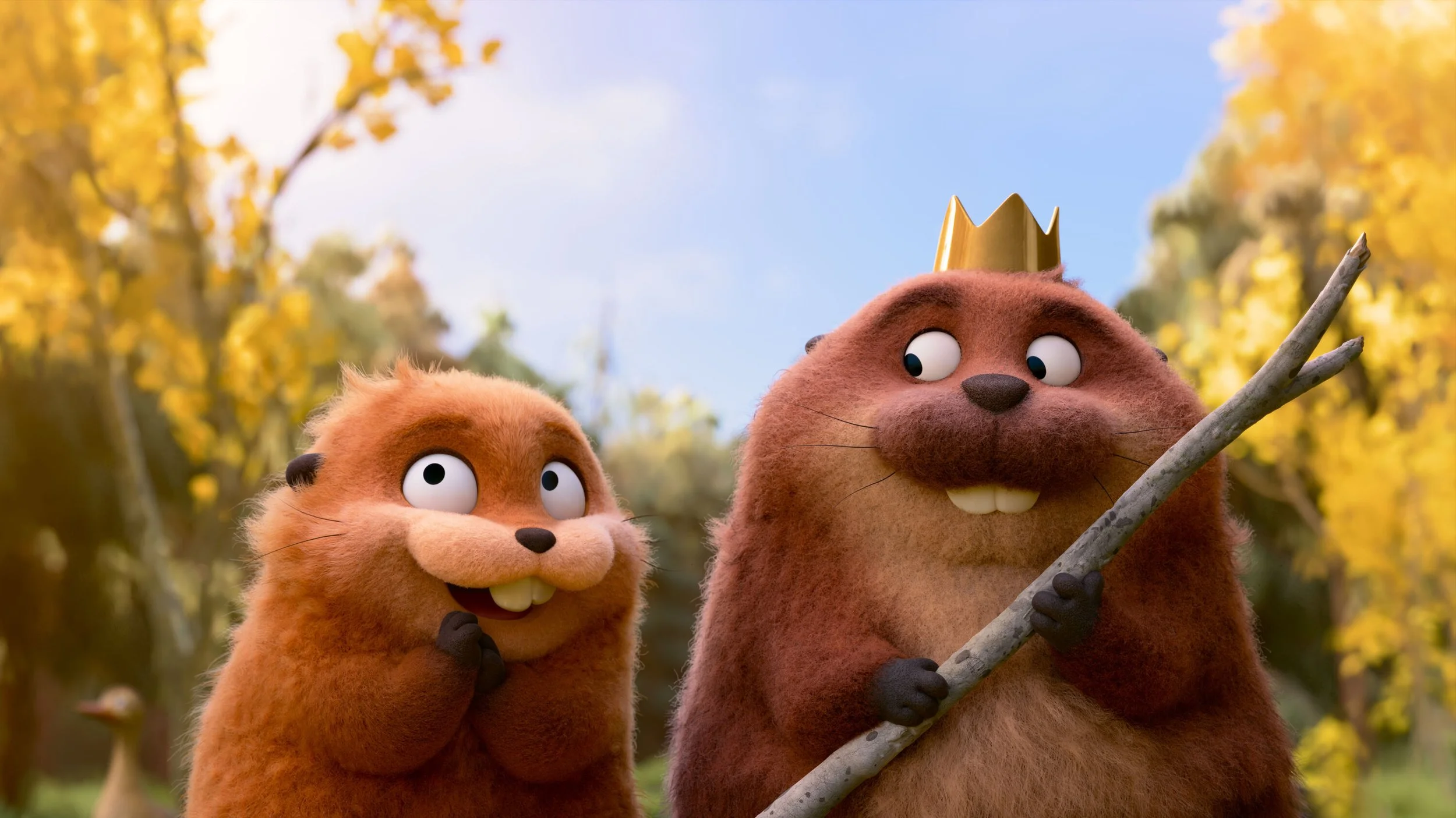
The story follows a passionate 19-year-old college student (Piper Curda) determined to save a forest that holds deep personal meaning for her and her family. When a power-hungry Mayor Jerry (Jon Hamm) pushes plans for a massive highway project through the land, she stumbles upon an underground university experiment that allows human consciousness to be transferred into robotic animals. Naturally, she decides the best way to fight back is to become… a beaver.
Yes. A beaver.
It’s a bonkers premise, but director Daniel Chong commits to it fully. The film doesn’t get bogged down in scientific explanations or overly tidy logic. Instead, it trusts the audience to roll with the concept and focuses on delivering a story packed with humor, visual invention and surprising thematic depth.
Tonally, Hoppers is a fascinating mix. It’s silly and playful one moment, then dips into darker sci-fi territory the next. There are even flashes of near-horror intensity in the final act that might be a little much for very young viewers. But for older kids and adults, the risk-taking pays off. The film’s offbeat humor — often relying on background gags and blink-and-you-miss-it punchlines — practically begs for repeat viewings.
What really stood out to me was how the movie builds its world. The “animal society” isn’t a slick, fully humanized ecosystem like we’ve seen in other animated films. Instead, it’s intentionally simpler and stranger — animals behaving in recognizable ways but layered with just enough personality and social structure to create comedic gold. The voice cast (a fun lineup of celebrity talent, including Meryl Streep) fully leans into the absurdity, giving the film a playful ensemble energy.
Thematically, Hoppers also has a lot on its mind. It touches on environmental responsibility, community action, political fear-mongering and even critiques of unchecked development and capitalism. Some viewers will undoubtedly see it as overtly political. But at its core, the movie is less about ideology and more about empathy — about how fear can be manipulated, how good intentions can go sideways and how collective action can create meaningful change.
Emotionally, it doesn’t quite hit the devastating highs of Pixar’s most iconic tear-jerkers. But from a creativity and innovation standpoint, this one ranks near the top of the studio’s catalog. It’s bold. It’s weird. It’s genuinely funny. And most importantly, it feels alive in a way that many animated films don’t.
As silly as the concept sounds, Hoppers ultimately delivers a heartfelt message about friendship, community and questioning the systems we take for granted. It’s the kind of animated movie that reminds you why theatrical experiences still matter because you truly don’t know where the story is going next.
With a full year of animation still ahead, it’s early to make sweeping declarations. But right now, it’s hard to imagine another animated film topping this one for sheer originality and entertainment value.
Pixar didn’t just return to form with Hoppers. They took a wild leap and stuck the landing.