Michael Clayton
Overall Rating: ★★★★★
Pop Culture Footprint: While it has faded somewhat from mainstream conversation, its reputation has only grown among film lovers. It's almost a film waiting to be rediscovered.
Rewatchability: 4/5 — it's a serious film that requires the right mindset, but every revisit reveals new layers in the performances and screenplay
Makes You Think: From corporate ethics to personal responsibility, Michael Clayton continually asks difficult questions without offering easy answers
Conversation Starter: Whether discussing the legal system, moral compromise or one of cinema's greatest endings, there's plenty to unpack afterward
Holds Up: Outside of a few dated cell phones, Michael Clayton feels remarkably timeless. Its themes remain every bit as relevant today.
Where I’d Place It: At this point, I'd probably place it a little higher. It's one of the finest legal thrillers ever made
★ ★★★★
#93 – Michael Clayton (2007)
From The New York Times: The 100 Best Movies of the 21st Century
Directed by Tony Gilroy
Michael Clayton has a special place in my heart, and not just because it's one of the best films of the 21st century.
It was the first movie my now wife and I ever saw together on our first date. Thankfully, I picked a pretty good one (on both accounts).
I actually revisited the film not that long ago for my podcast, so when it appeared on the New York Times list, I wondered if it might be too soon. Would I really discover anything new?
As it turns out, Michael Clayton is one of those rare movies that only gets richer with each viewing.
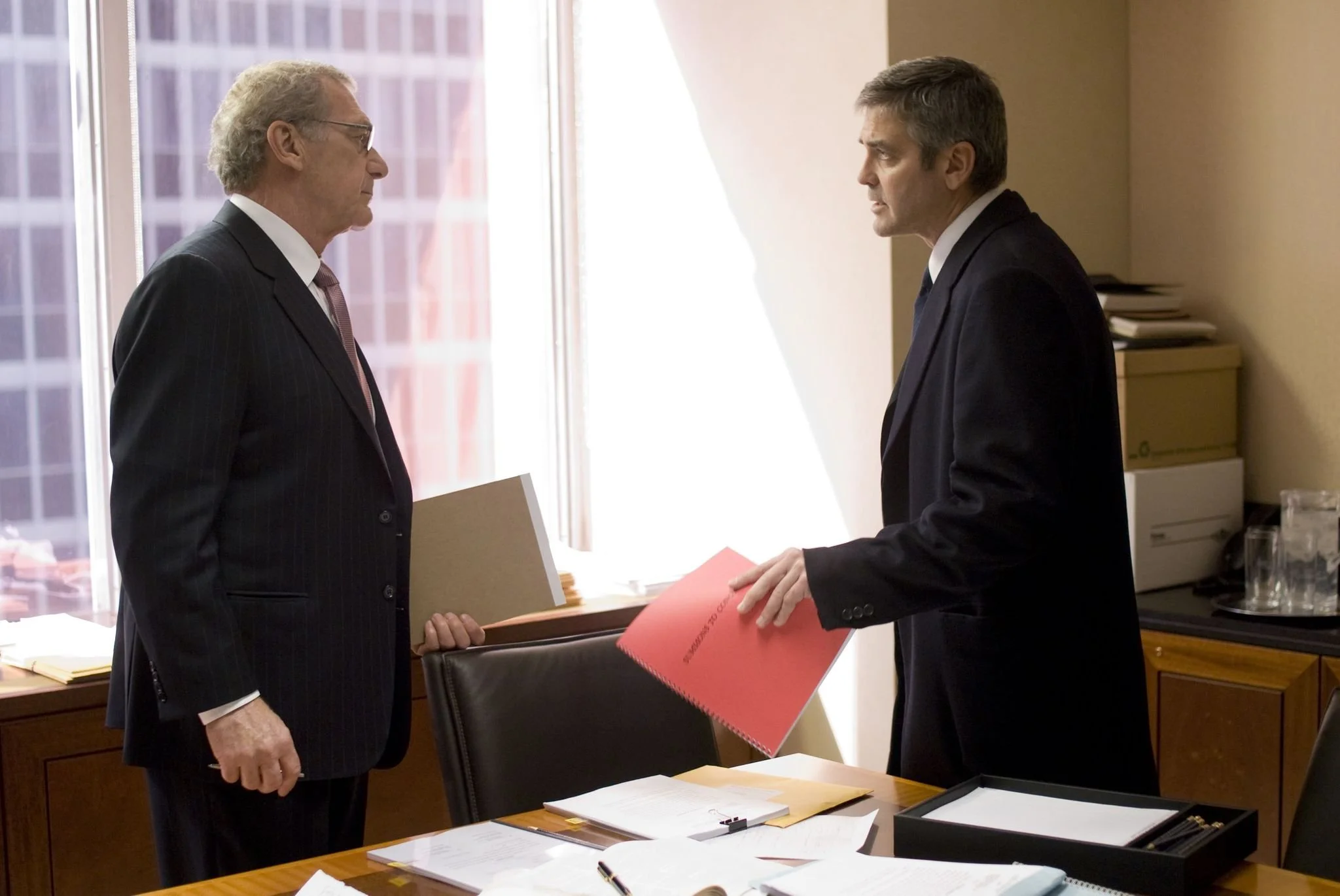
George Clooney stars as Michael Clayton, a "fixer" for a prestigious New York law firm. He's no longer the attorney arguing cases in court. Instead, he's the person the firm calls when a client has a problem that needs to disappear.
While buried under personal debt from a failed restaurant investment and trying to hold together a complicated personal life, Michael is pulled into a crisis involving one of the firm's biggest corporate clients. The firm's brilliant lead litigator, Arthur Edens (Tom Wilkinson), suffers a mental breakdown in the middle of a massive class action lawsuit, threatening to expose secrets that could destroy everyone involved.
What begins as another cleanup job slowly becomes a test of Michael's own conscience.
One of the reasons Michael Clayton works so well is because it isn't interested in being flashy. On the surface, it's a legal thriller. Underneath, it's a deeply human story about compromise, morality and the quiet cost of doing the right thing.
It reminds me of the legal thrillers that were everywhere throughout the '90s during the John Grisham boom, but director/writer Tony Gilroy takes the genre somewhere much more intimate. The case matters, but it's really just the framework for Michael's personal journey.
George Clooney gives one of the best performances of his career. Michael isn't a traditional hero. He's deeply flawed. He's drowning in debt, making questionable decisions and constantly trying to stay one step ahead of the problems in both his personal and professional life.
That's exactly what makes him relatable.
The movie continually places him in moral situations that seem simple from the outside but become incredibly complicated once you're forced to live inside them. It challenges the audience to ask themselves what they would actually do if their livelihood, reputation and future were all on the line.Gilroy's screenplay is remarkably tight. Every scene matters. Every conversation reveals another layer. The symbolism, particularly involving the horses, quietly reinforces the film's central idea of freedom versus obligation. Throughout the movie, Michael has to decide whether he'll continue serving a broken system or finally free himself from it.
The supporting performances are equally outstanding. Wilkinson is phenomenal as Arthur Edens. What could have been an over-the-top performance instead feels deeply human and surprisingly compassionate. Watching it today, it remains a thoughtful portrayal of mental illness without ever turning Arthur into a caricature.
Tilda Swinton deserved every bit of her Academy Award for portraying Karen Crowder. Rather than playing a stereotypical corporate villain, she allows insecurity and fear to coexist with ruthless ambition, making her all the more believable.
Sydney Pollack also brings warmth and complexity to Marty Bach, Michael's mentor and friend. Their relationship becomes another example of the film's exploration of power, loyalty and compromise.
One aspect I've always appreciated is how believable the world feels. Many conspiracy thrillers rely on shadowy villains who exist somewhere off screen. Michael Clayton pulls back the curtain and shows how ordinary people, motivated by fear, ambition and self-preservation, become capable of extraordinary wrongdoing. That's far more unsettling than any traditional movie villain.
What also makes the film endure is that it works on multiple levels. If you simply want a smart legal thriller, it's outstanding. If you're looking for a character study, it's one of the strongest of the decade. And if you want a film that asks difficult questions about corporate power, morality and personal responsibility, it has plenty to wrestle with long after the credits roll.
Finally, there's the ending.
I genuinely think Michael Clayton has one of the greatest endings of the 21st century. It delivers an incredible moment of catharsis that almost makes you want to stand up and cheer.
Then the movie refuses to let you leave that easily. Instead, it quietly sits with Michael in the back of a taxi as he processes everything that just happened. There's almost no dialogue. Just a man forced to live with the consequences of finally making the right decision.
That final shot reframes the entire film.
Doing the right thing doesn't erase the damage. Sometimes the moral choice is also the hardest choice, and you still have to carry its weight afterward.
That ending alone earns this film a place on this list.
Michael Clayton isn't remembered because it reinvented the legal thriller. It's remembered because it used the legal thriller to tell a profoundly human story about compromise, conscience and the cost of finally doing the right thing.
For me, it's one of the finest films of the century, and an easy five-star recommendation.